 Wire · AZ Weekly Post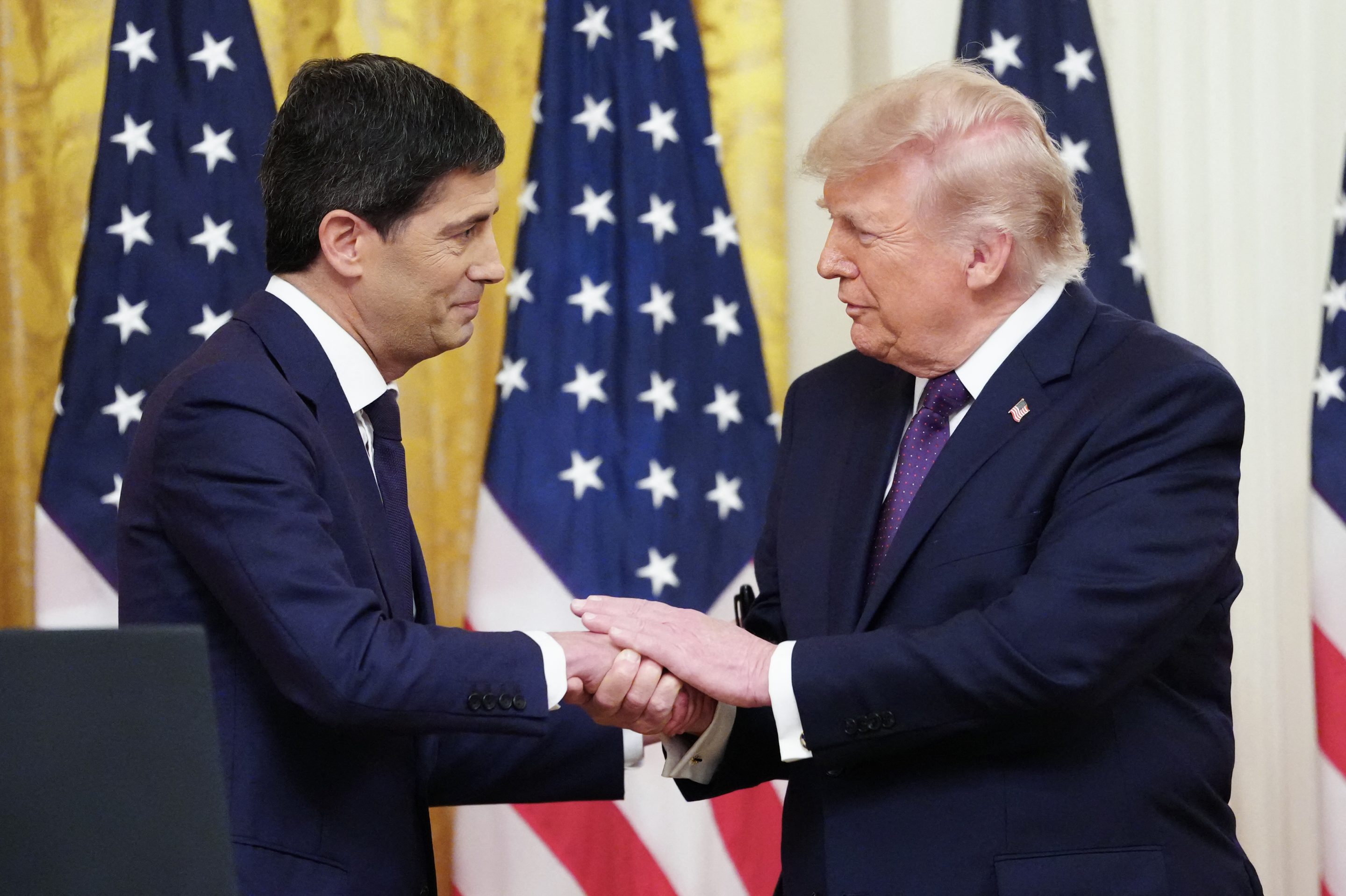
Surprisingly healthy employment data has tipped expectations for a rate hike at the Federal Open Market Committee’s (FOMC) meeting higher this week, with interest rate traders now placing the likelihood at 58.4%. According to CME’s FedWatch, nearly 60% of investors are betting on a 25 basis points (bps) hike to raise rates to 3.75%–4%. The renewed call for a hike comes from a Bureau of Labor Statistics (BLS) report showing the U.S. economy added 162,000 jobs in August, with the unemployment rate unchanged at 4.1%.
Meanwhile, inflation data, the other side of the Fed’s two-pronged mandate, isn’t cooperating. The latest BLS report, released in mid-August, showed the all-items inflation index at 3.4% over the past 12 months—well above the FOMC’s 2% target. The next Consumer Price Index report is due Friday, but supply-side shocks like the Middle East conflict and tariffs persist, reinforcing the need for a hike at the next FOMC meeting, scheduled for September 16.
Macquarie’s David Doyle noted that while timing remains uncertain, the baseline case for the first 25bps hike shifts to September (previously December). A second 25bps hike is anticipated in 1Q27. Bank of America expects a hike next week, warning that a decision not to hike could undermine the Fed’s credibility, raising long-end yields.
UBS predicts two hikes this year, in September and December. UBS chief investment officer Mark Haefele emphasized that the backdrop for any hike—whether driven by economic strength or inflation—matters more than the policy move itself. Meanwhile, lobbying intensifies.
President Donald Trump’s campaign to reduce rates has stalled, with his administration pushing a dovish narrative. Trump threatened to halt U.S. trade with deficit countries if rates don’t drop. Vice President JD Vance echoed Trump’s sentiment, arguing that lower rates would help Americans afford homes.
The White House is pressuring Fed Chair Kevin Warsh to align with its economic priorities.
Source: Fortune